


Happy Tuesday. This week, we’re sharing:
How childhood best friends turned a Saturday hangover into a bottled cocktail brand
The hot girlification of grocery
Diet Coke parties, carnivores bond over brisket and butter, ice cream therapy

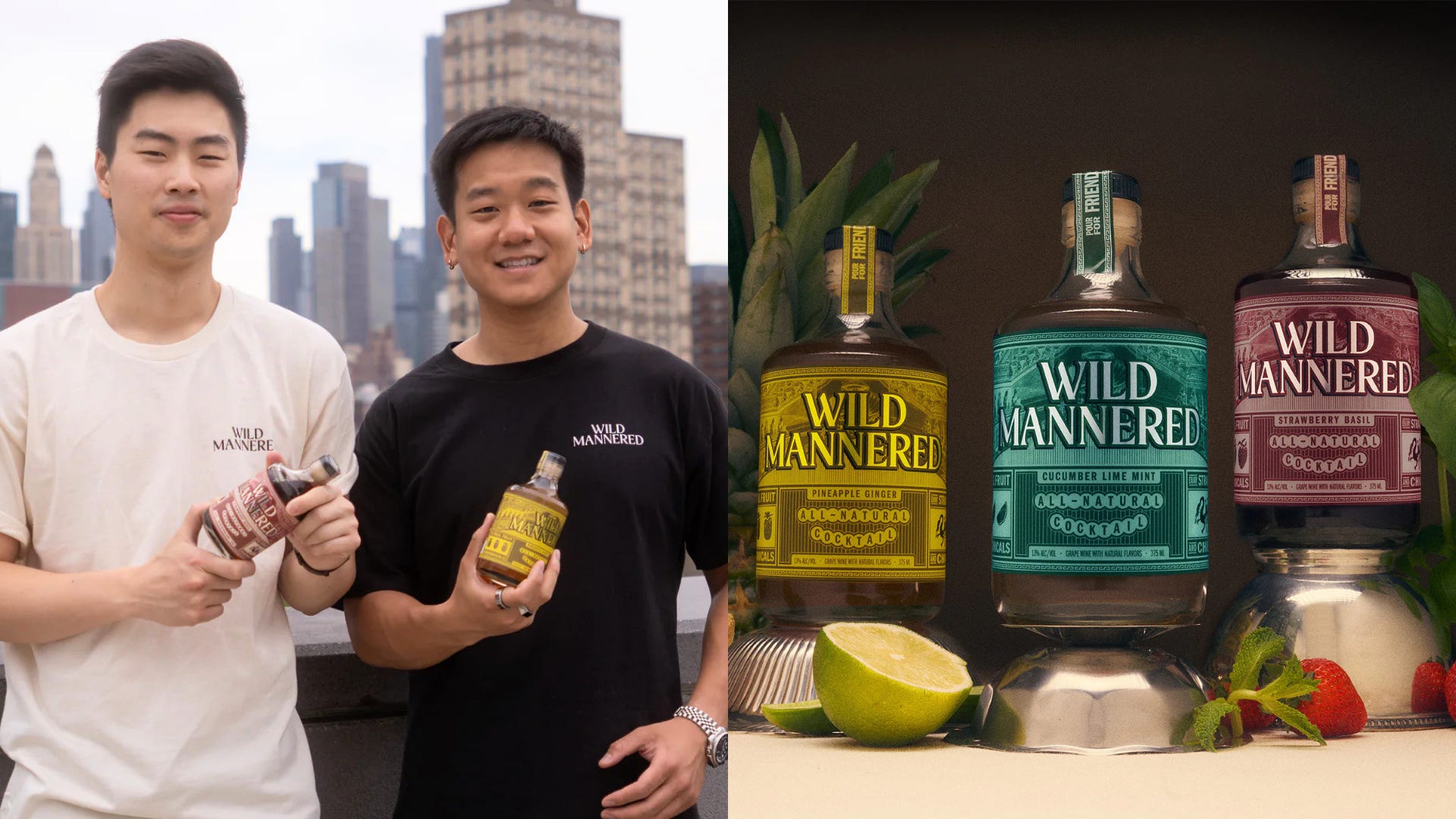
Meet Michael Gu and Perry Ya, co-founders of Wild Mannered.
Their parents were neighbors in New Jersey, the only Chinese families in the area. They’ve known each other since birth. “Like the cousin you’re forced to see every Christmas or New Year’s,” recalls Michael.
They both ended up in tech, spending their late-20s closing out Friday nights in NYC’s Koreatown over green-bottle soju. Then came the hangovers and the questions: What’s in this and why isn’t there a cleaner version?
So they made one. A ready-to-serve, lower-ABV cocktail with a soju and wine base.
The name flips “mild mannered,” a backhanded compliment Asian American kids grow up hearing. The product flips the usual RTD format: not a single-serve can, but a bottle you pour for those around you.
After a pivotal rebrand, sampling shots through a plexiglass case, and select partnerships with mahjong clubs and gaming lounges, Wild Mannered is in almost 100 accounts across New York, growing 130% year over year.
✍️ This week’s Founder Feature was written by Param Gopalasamy. He runs PG Marketing Consulting, specializing in content, product messaging, events, and more. In his free time, he enjoys creative writing, rewatching the same 3-4 shows, and working on his golf swing (where he’ll be spending most of his later years if things go according to plan).
00:11 - The minds behind Wild Mannered
01:29 - 2 p.m. on a Wednesday tasting soju and getting tipsy
05:58 - It’s like eating a piece of black licorice
08:19 - The person that doesn’t grab the High Noon variety pack
11:45 - About to hit 100, which is a huge milestone
15:27 - Chock-full of fun little restrictive tidbits
19:39 - 85-90% of our business is retail
22:32 - Voice of customer matters more than ours
130%: Year-over-year revenue growth from 2024 to 2025, trending higher in 2026
~100 accounts: Retail footprint across New York
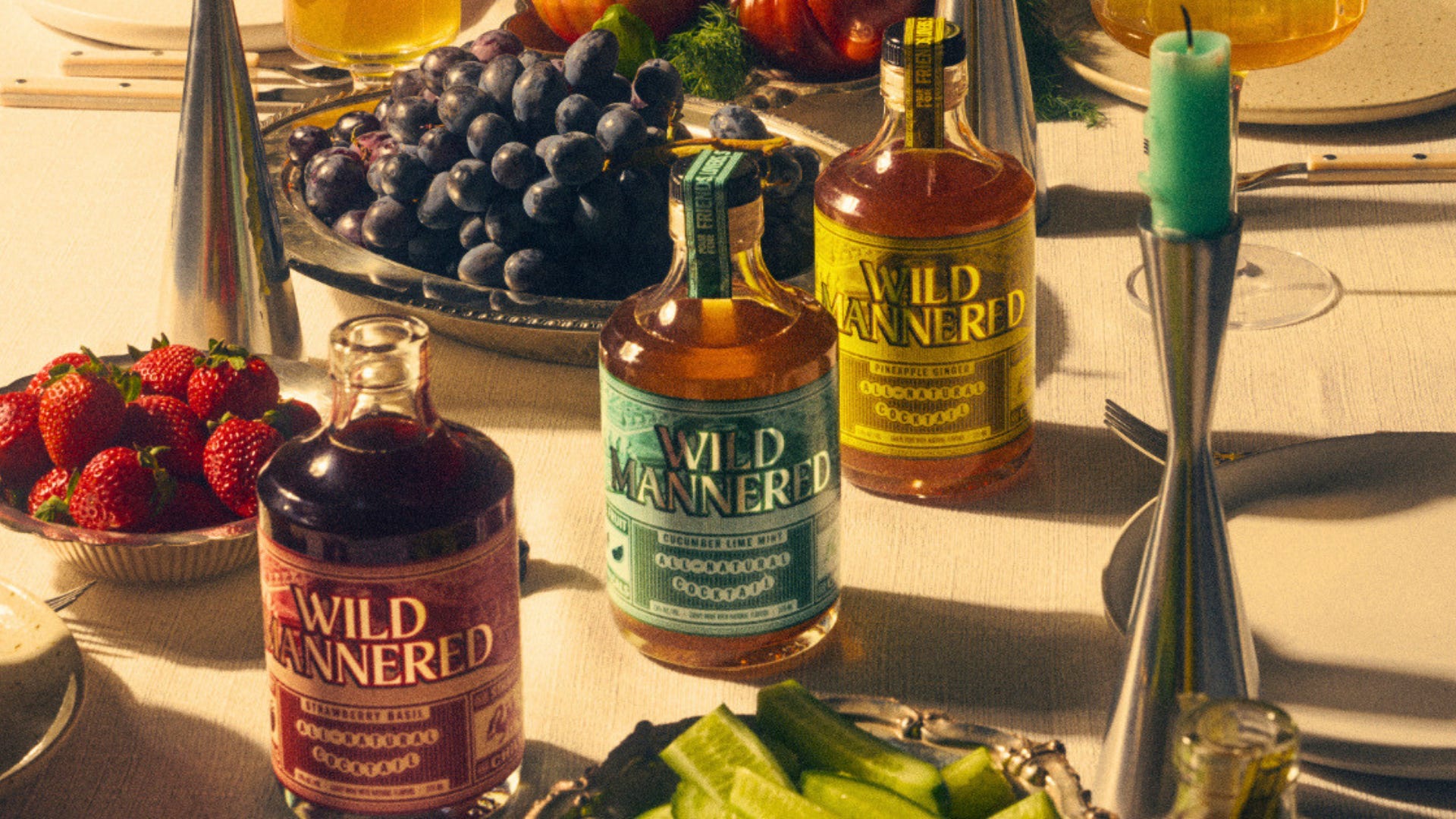
3 initial SKUs: Strawberry Basil, Cucumber Lime Mint, Pineapple Ginger. The original Gen 1 lineup. (Yes, that's a Pokémon reference.)
Your category decision is also your distribution decision. Michael and Perry didn’t choose a soju-wine hybrid just because it tasted better. Wine carries lower federal taxes, fewer DTC shipping restrictions, and access to channels: beer-and-wine restaurants, cafes that convert into wine bars, accounts without full liquor licenses. The product category determines where you can sell.
The first stores aren’t where you make money. They’re where you find out what the product actually is. At launch, Wild Mannered’s $19.99 bottle sat next to $5.99 mass-market soju. Customers got sticker shock. Not because the price was wrong; because the positioning was. Their ready-to-serve bottle is something you bring to a social gathering, something you share with the people around you. Once that clicked, everything else followed: new name, different shelf, different conversation entirely.
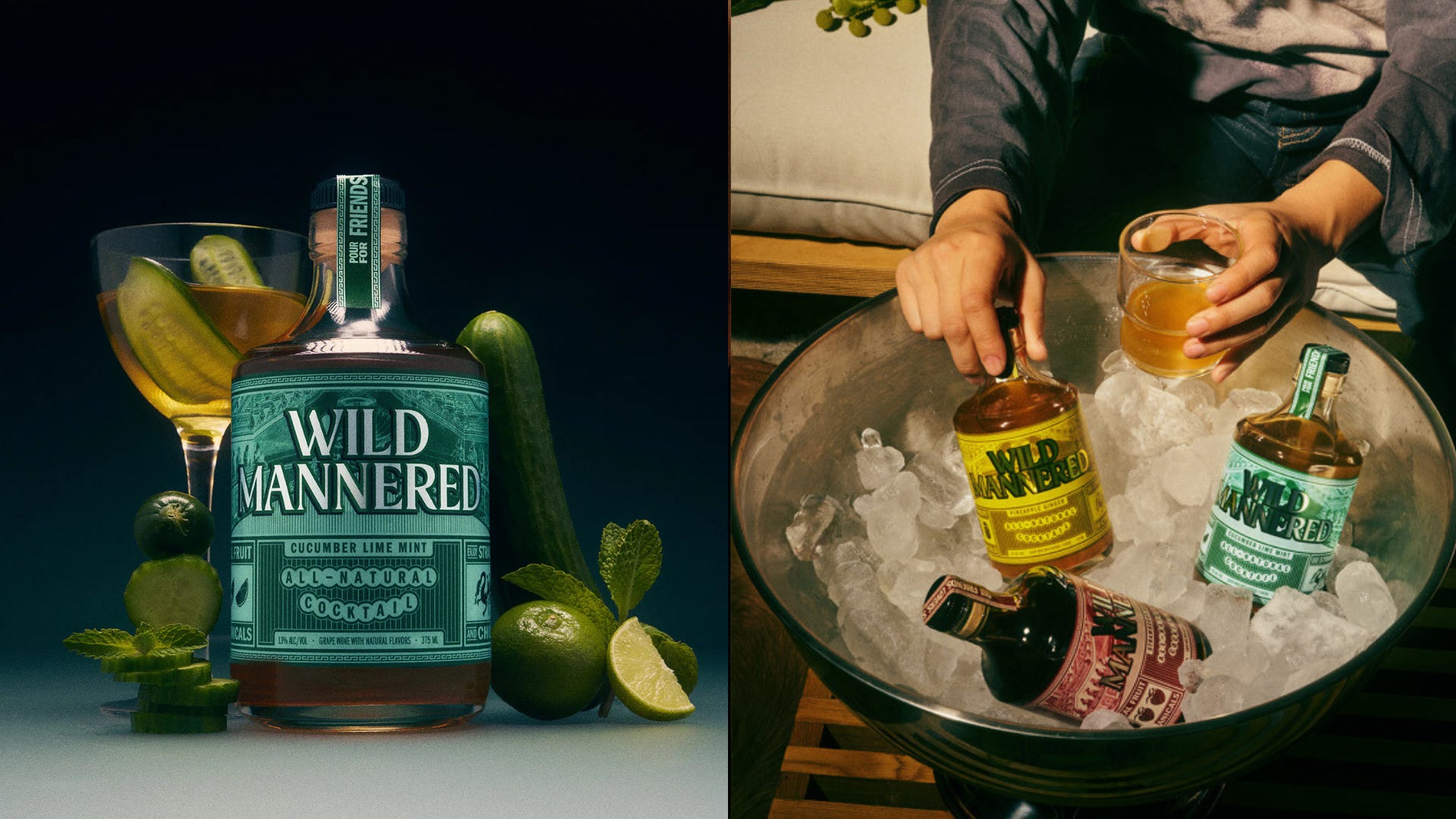
Find where your product makes sense. Then keep showing up there. Soju isn’t just a beverage. It’s a behavior. The pour-for-each-other, take-a-shot-together move that happens naturally around a table. Wild Mannered became the exclusive alcohol provider for a mahjong club. It show up at supper clubs. It’s on the menu at a gaming lounge. Every partnership reinforces the same core idea of bringing people together.
Go deep in one market before you go wide. Two years in, Wild Mannered is still focused on New York, where every store is individually owned. No liquor chains, no one call that opens fifty doors. “It’ll grind your gears,” Perry says. But that grind gave them a pitch that works, positioning that lands, and the emotional calluses to handle rejection without spiraling.
Buyers listen to the voice of a customer. Not yours. A woman in Queens DM’d them that Wild Mannered was the best thing she’d ever tasted. She buys a bottle every week. When her store held off on reordering after the rebrand, she went in and asked for it herself. The store placed the order that day. “The voice of a customer matters so much more than ours,” Michael says. “If a customer wants this stuff, the store’s going to order it.”
Market signal → Brands are at their strongest when the purchase is about more than the product. If you can build emotional connection to an occasion, that's the juice (in today's case, soju) that drives sales.
The occasion fit test
Every placement is a bet. Here’s how to know if it’s worth taking.
The occasion: What is the moment your product is for? Not the demographic. The moment. The morning commute, the post-workout window, the dinner party. Be specific. “Anytime” is not an answer.
The ritual: Is there already a behavior your product slots into, or are you trying to invent one? (Think Oreos in milk building off dunking biscuits in tea.) Leaning on a ritual that exists is the easier path. Teaching a new one is harder.
The placement: Does this shelf, venue, or event put the product in front of someone at the right moment? Or are you just happy to be there?
The partner: Does this partnership reinforce the occasion or dilute it? If you’d take the deal for the reach alone, that’s a sign. Reach without occasion is borrowed.
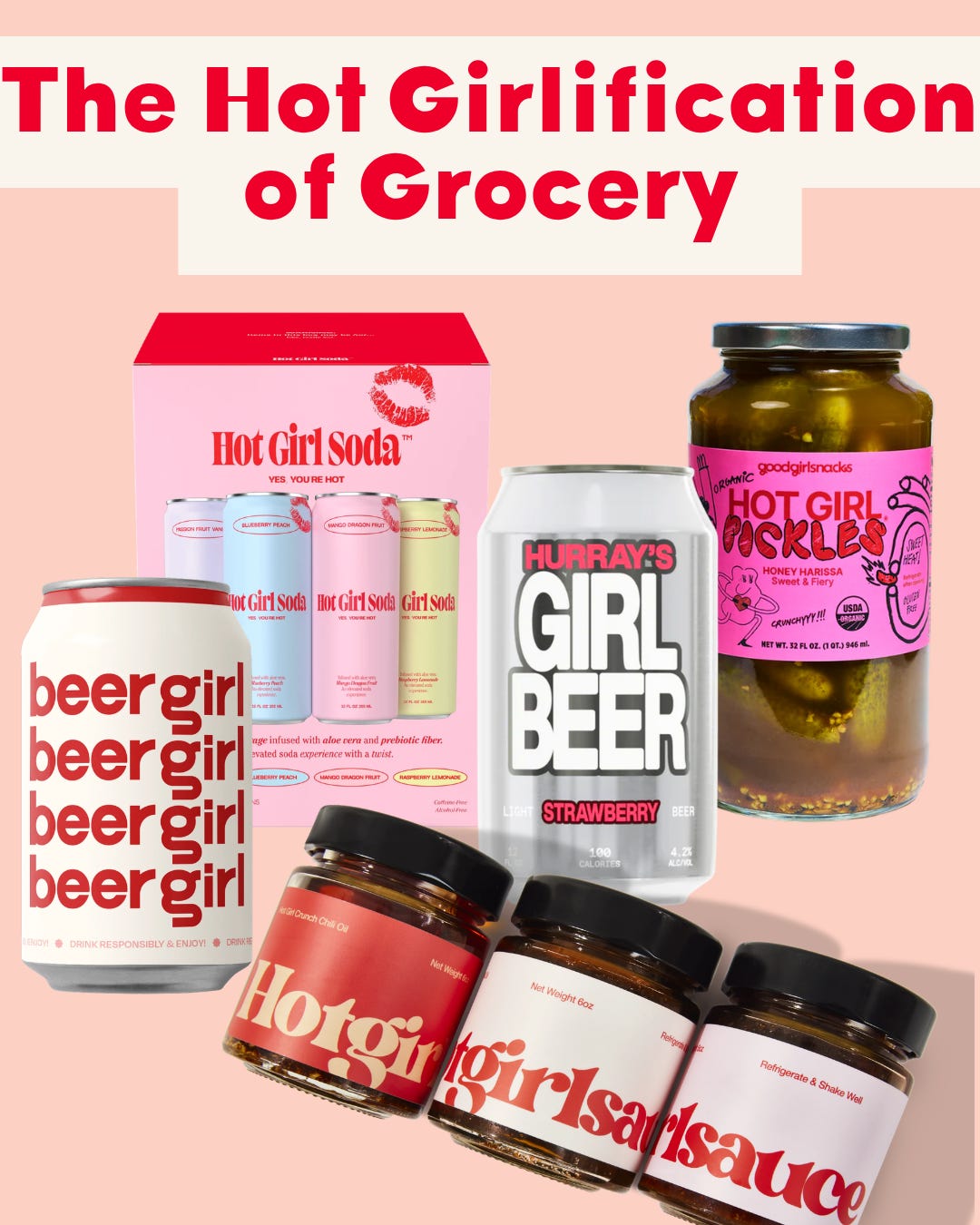
I wrote about hot girl food for Cool Shiny Culture. And it starts with pickles.
Regular pickles ask nothing. Hot Girl Pickles have plans. Regular soda is a beverage. Hot Girl Soda is a whole thing.
Gendered food isn’t new. It’s just never been this fun. For decades, “food for women” meant 100-calorie packs, Special K, anything “lite.” Hot girl is something else entirely.
What makes something “hot girl” isn’t the product. It’s the feeling of buying it. These brands aren’t trying to speak to everyone. They’re designed so the right person picks them up immediately and everyone else puts the jar back down.
For a long time that would’ve been considered a problem. Every brand wanted to be for everyone. The bigger the audience, the better the business. Now, niche is the point.


Meta overbilled you last month. You just don’t know it yet.
This week’s partner Dash.fi audited $20M in ad spend and found 5-33% in billing discrepancies across the board. Misallocated budgets, inflated metrics, out-of-geo ads you paid for that never reached your customer.
To put it into perspective, if you’re spending $50k/month, that’s up to $15k gone. Every single month.
Most founders find out too late. Or never.
Dash.fi catches it automatically. Flags every discrepancy, recovers the difference, and gives you 3% back on every ad dollar on top.
This isn’t a better credit card. It’s a margin recovery tool that happens to be a credit card. See what Dash.fi recovers for you.

$4.99 vs. $5: Out of 500 grocery items on Walmart.com, only five (~1%) ended in .00.
Ice cream therapy: For Mental Health Month, Van Leeuwen and Rula turned the “treat yourself” impulse into a therapy session.
Diet Coke parties: In India, scarcity made Diet Coke a status drink. People are paying $16 a ticket to sip “Coke-tails.”
Oatly’s first full year of growth: First growth quarter since going public, thanks to repositioning from alt-dairy to “an experience canvas for the beverages market.”
And at the other end of the table: Carnivores bond over brisket and butter at Meatstock.
Meatless MREs are coming: The U.S. Army is the ultimate CPG stress test: shelf-stable, palatable, manufactured in combat zones.
Cheers to beer sales: Anheuser-Busch InBev sold more drinks for the first time since 2023 in the first quarter.

May 13 (Virtual): Practice Your Retail Buyer Pitch
May 20 (Virtual): Workshop: AI for CPG Brands
May 20 (NY): DTC Dinner Club
May 20 (NY): How Smart Brands Win in a Crowded Aisle
May 20-21 (NY): The Lead Summit
May 31 (Virtual): Bon Appetit Pantry Awards Submission Deadline
June 3 (NY and Virtual): Clicks, Bricks & Everything In-Between
June 7-9 (Orlando): IDDBA 2026
June 10-11 (Chicago): 2026 KeHE Holiday Show
June 28-30 (NYC): Summer Fancy Food Show


