


Happy Tuesday. This week, we’re sharing:
The “it” labneh of NYC (and how it won 3 awards in a week)
Cool Shiny Culture’s: The Cultural Curve of Beverages
CPG packaging gets its own bill, $2.25 per pound of tomatoes, protein-maxxing has hit the farms

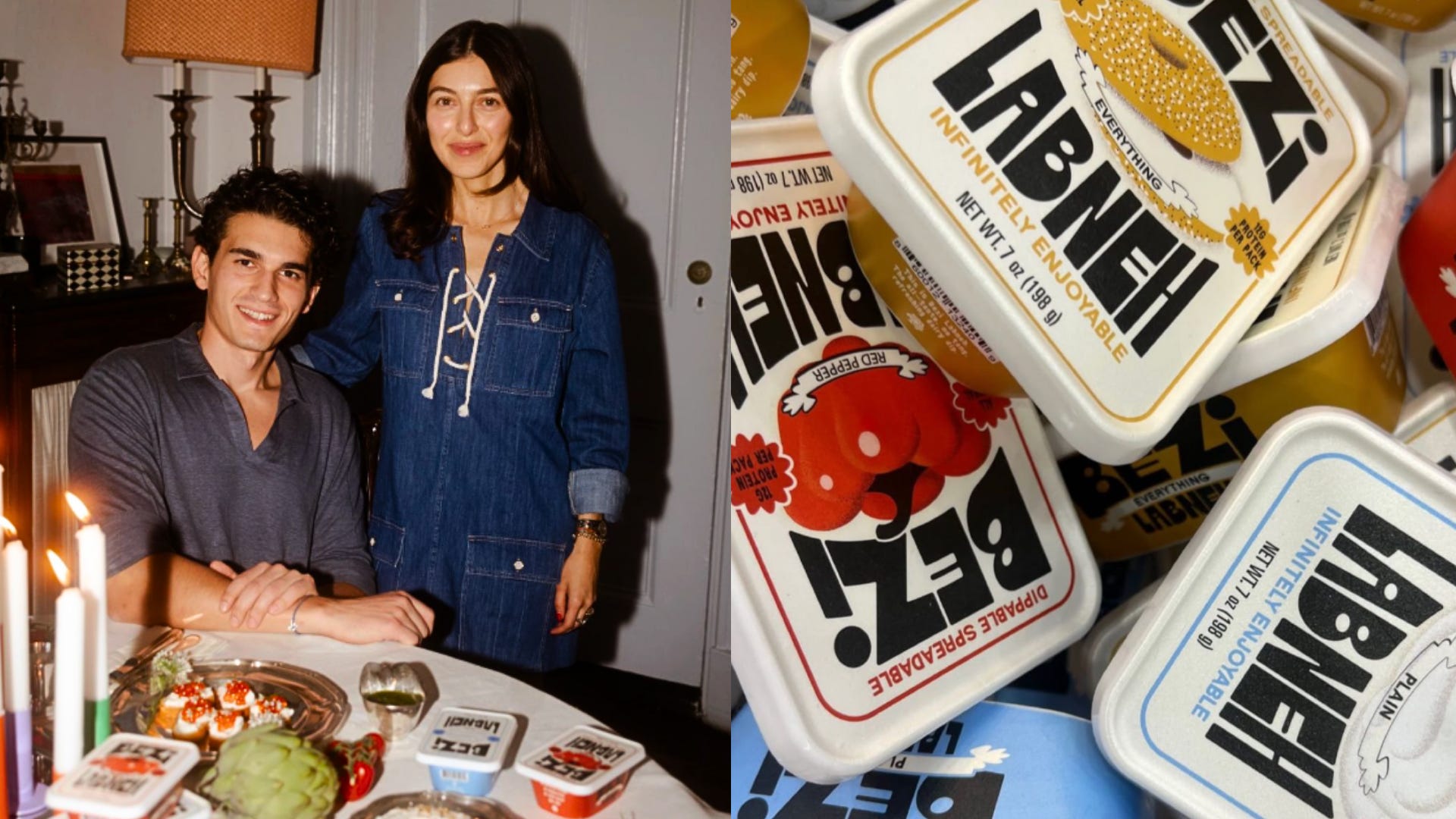
Meet Ilay Karateke, co-founder of Bezi, the labneh brand that swept Expo West 2026, taking home a NEXTY Award, America’s Next Top Snack, and 2nd place in Albertsons Innovation Launchpad… all in the same week.
Or, as someone once described it to me: the ‘it’ labneh of NYC.
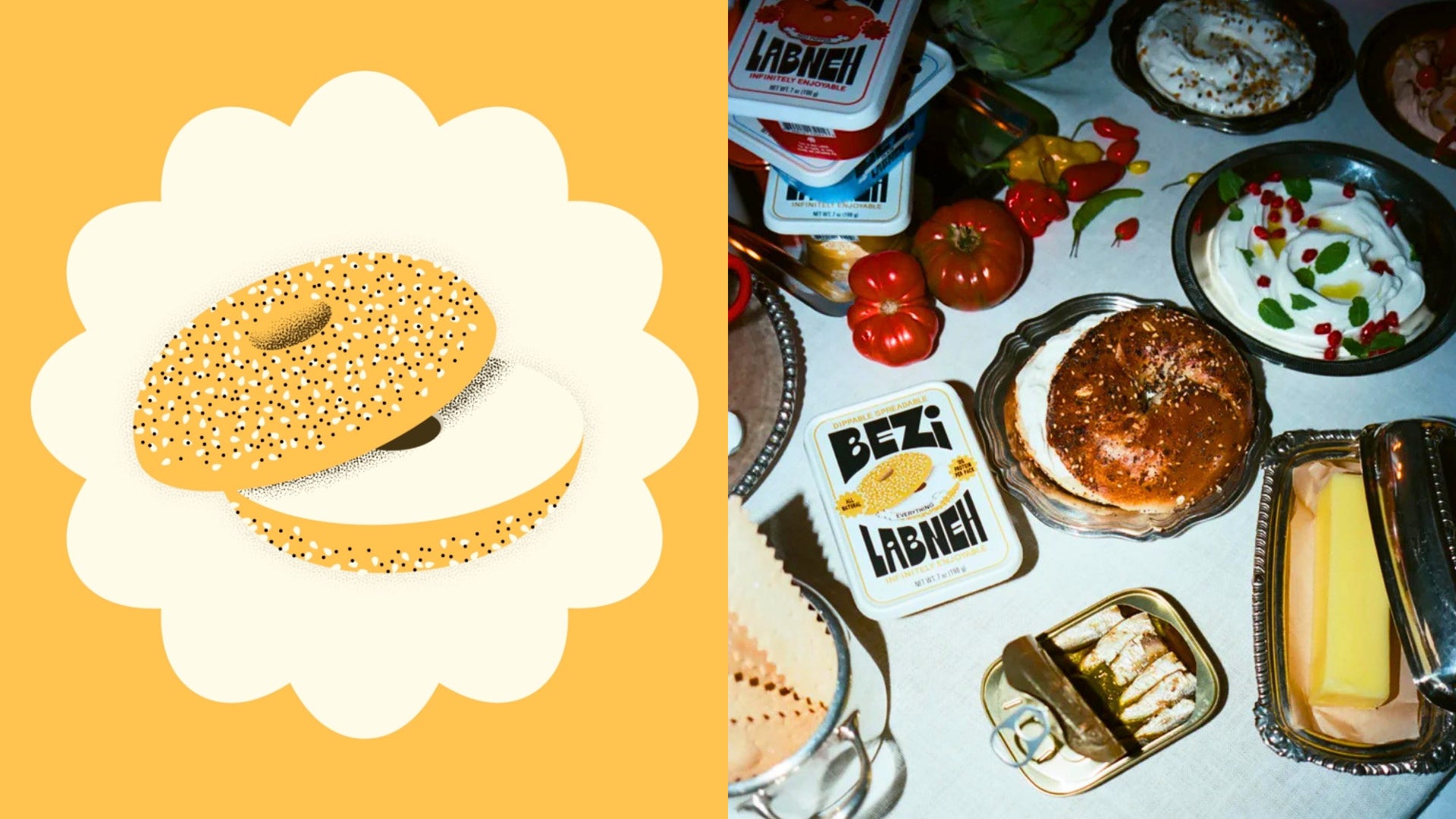
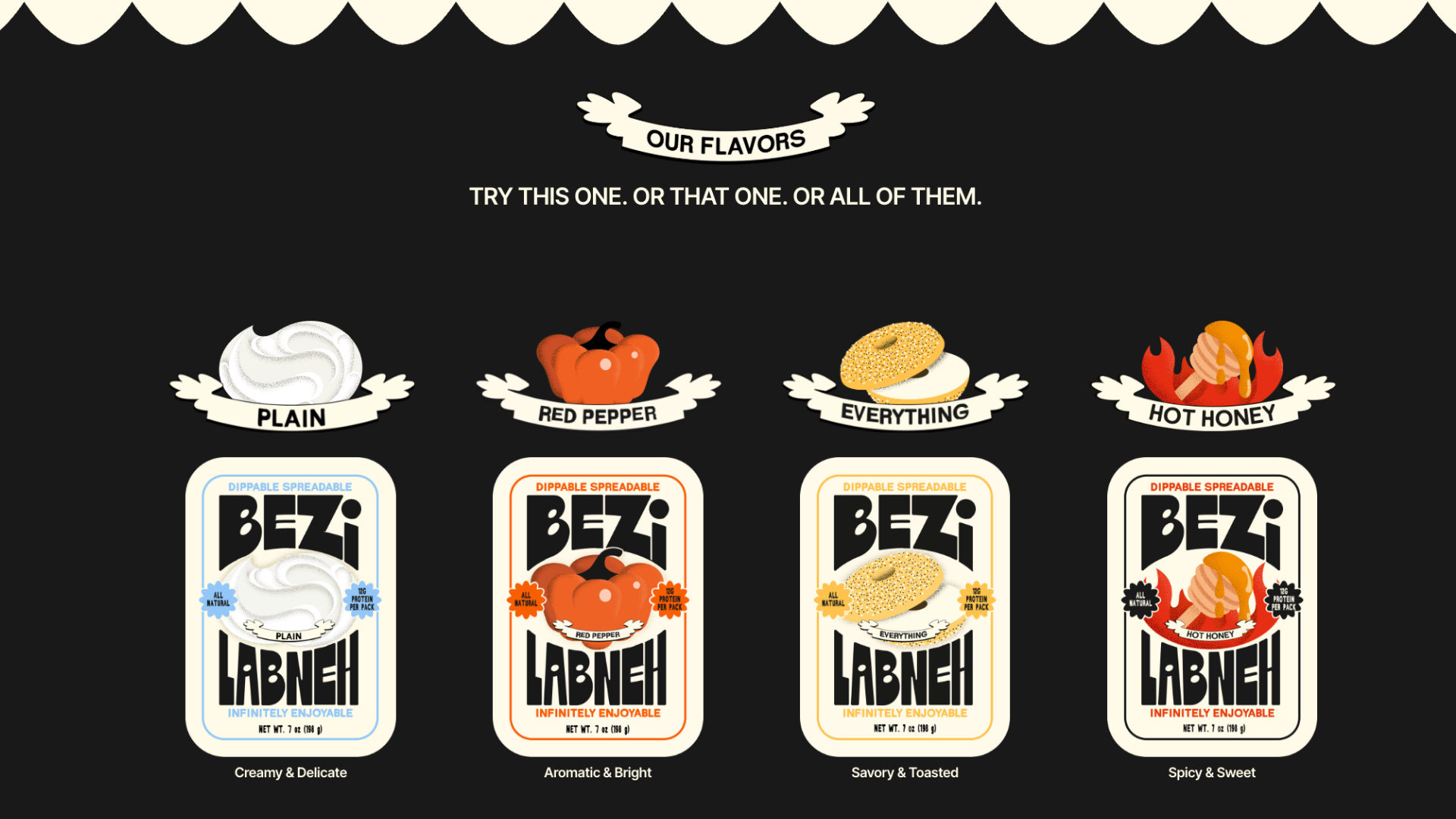
Bezi takes labneh, a Middle Eastern dairy dip somewhere between cream cheese and yogurt, and makes it feel at home on American shelves. Same protein as hummus. No preservatives, no gums. Flavors like Everything and Hot Honey.
Ilay’s path here isn’t exactly linear. She came up through McKinsey, helped launch a $2 billion grocery delivery startup, and spent an MBA summer waking up at 5 a.m. to milk cows and make cheese by hand.
A cheese brand had been Ilay’s dream for a while. Bezi is what made it real.
00:13 - The minds behind Bezi
03:10 - I was like “Hey, I love cheese!”
05:35 - I’m extremely opinionated as a founder
10:16 - American consumption is very functional
14:11 - We’re selling about 10 anhour at demos
18:00 - I don’t operate on revenue
20:44 - It’s good therapy to launch your business
🐄 Jump to 1:52 for Ilay’s TMI cow-milking story (you’ve been warned)
240 days: Refrigerated shelf life (2.5x longer than hummus)
10 units an hour: Average demo conversion
2 out of 4 quarters: Cash flow positive in Bezi’s first year
Don’t crowdsource your product. Ilay didn’t run taste tests or surveys. She spent years cooking for friends and trying every dairy product in New York. By the time she developed Bezi’s recipes, she already knew what would work. Hot Honey. Everything Labneh. A less tangy Turkish base. If you don’t have a strong point of view, the market will give you one, and it won’t be yours.
You don’t explain a new category. You get someone to try it. For something people don’t understand, explanation is overrated. Taste isn’t. Ilay built awareness through demos, sampling, and showing up in person. “The first years have to be very much close to the shelf.” Be there. Get it in people’s mouths. Everything else comes after.
Every channel should pay for itself. Full stop. Most founders look at a top-line revenue number. Ilay looks at every store, every market, every channel separately and asks: is this paying for itself? Launching in a new market isn’t “we need more revenue.” It’s “can this cover its own costs?” In her previous role, she watched Getir raise $2 billion chasing unsustainable growth and collapse. Bezi runs the opposite way.
Control how it’s made and how it moves. Ilay doesn’t just manage the brand. She controls how Bezi is made and how it gets to shelf. On the production side, that means custom machinery, tight processes, and a 240-day refrigerated shelf life. On the distribution side, she runs her own delivery routes and knows exactly what sells, where, and when. Owning both ends is how you actually see what’s working.
Function is how they find you. Story is why they stay. You might want to sell culture, sourcing, or story. But consumers are buying protein, gut health, or calories. You don’t have to build your entire brand around that, but you do have to acknowledge it. Ilay is taking that into her second year and learning what actually moves someone to pick it up.
Market signal → New categories aren’t won on awareness. They’re won on conversion. If trial doesn’t turn into purchase, distribution just scales the problem.
The local-first playbook
Walk stores. Build relationships. Demo constantly. Make your product feel everywhere, even when it isn’t (yet).
Step 1: Pick your fort: One city. One neighborhood. One channel. Where your product fits, and where you can actually show up.
Step 2: Go deep, not wide: Cluster stores. Build repetition. Create “I’ve seen this before” moments.
Step 3: Own the experience: Demo. Sample. Talk to customers. Watch how real people react in real time.
Step 4: Build pull, not just placement: Customers ask for it. Stores reorder faster. Other retailers start paying attention.
Step 5: Expand from strength: Take what works. Repeat it. Velocity in your fort is your proof and your pitch.
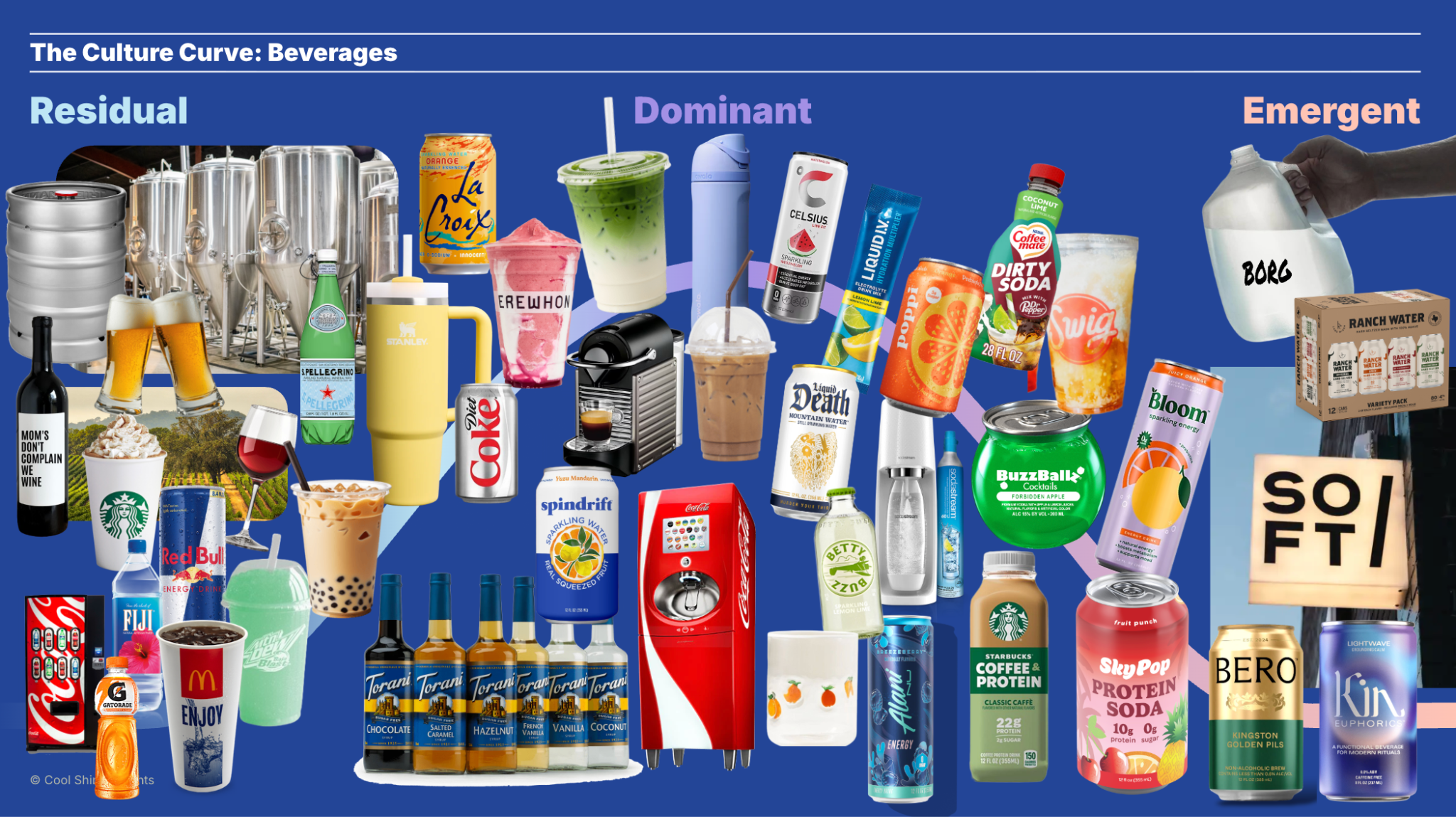
Cool Shiny Culture just released The Cultural Curve on Beverages and drinking isn’t really about drinking anymore. It’s about function, aesthetics, and when it’s “worth it.”
Helpful framing if you’re trying to figure out why everyone’s launching something with adaptogens.
The short version: Gen Z is drinking less, drinking weirder, and when they do drink, they’re doing it on their own terms (at home, in small groups, with a BORG in hand). Gen Alpha is coming in hot with a functional beverage agenda they absorbed from their wellness-coded childhoods. The flavor map is shifting south and east.
The old playbook was about occasion: Get in front of someone at the right moment and you win. The new one is about identity and function. And the real white space isn’t the liquid, it’s the ritual. Sober dating. Post-workout hangs. The thing you bring to a dinner party when you don’t want to bring wine. No one owns those yet.
It’s not just ingredients being scrutinized: Packaging gets its own bill.
The battle between in-store vs online is over: Ecom sales were almost 75% of total grocery dollar growth.
It’s not the product, it’s the space around it: Research shows a clearer aisle increases sales by ~11.5%.
Tariffs are finally getting refunded: A total of $166B is on the table.
Tomatoes are the most expensive vegetable? $2.25 per pound, brought to you by climate, policy, and fuel.
As foodservice is losing ground… groceries and c-stores are picking it up.
Trader Joe’s was the affordable option: Now it’s pulling high-income Gen Z shoppers.
Get ready for food summer: 53% will buy more food and beverages this summer (more than clothing and skincare)
Protein-maxxing has hit the farms: Peas and lentils are the few crops making money.
April 29 (Virtual): From Trade Spend to True Growth
April 29 (NY): Vice Night by CPGD x Myca
May 20-21 (NY): The Lead Summit
May 31 (Virtual): Bon Appetit Pantry Awards Submission Deadline
June 3 (NY and Virtual): Clicks, Bricks & Everything In-Between
June 10-11 (Chicago): 2026 KeHE Holiday Show
June 28-30 (NYC): Summer Fancy Food Show


