


What’s with the new color and logo, you ask? Oh, nothing much. We’re moving to Substack. And since we’re already packing boxes, why not do a refresh while we’re at it? Our archives are still making the move, so please bear with us while we get settled. Now back to regular programming.
This week, we’re sharing:
How a healthcare professional bought a freeze dryer and got into Whole Foods
Our very own Grow Pro: A rolodex of fractional CPG operators
Whole Foods All-Star Suppliers, Reese’s rolls back, “Bad” brand names that shouldn’t work (but do)

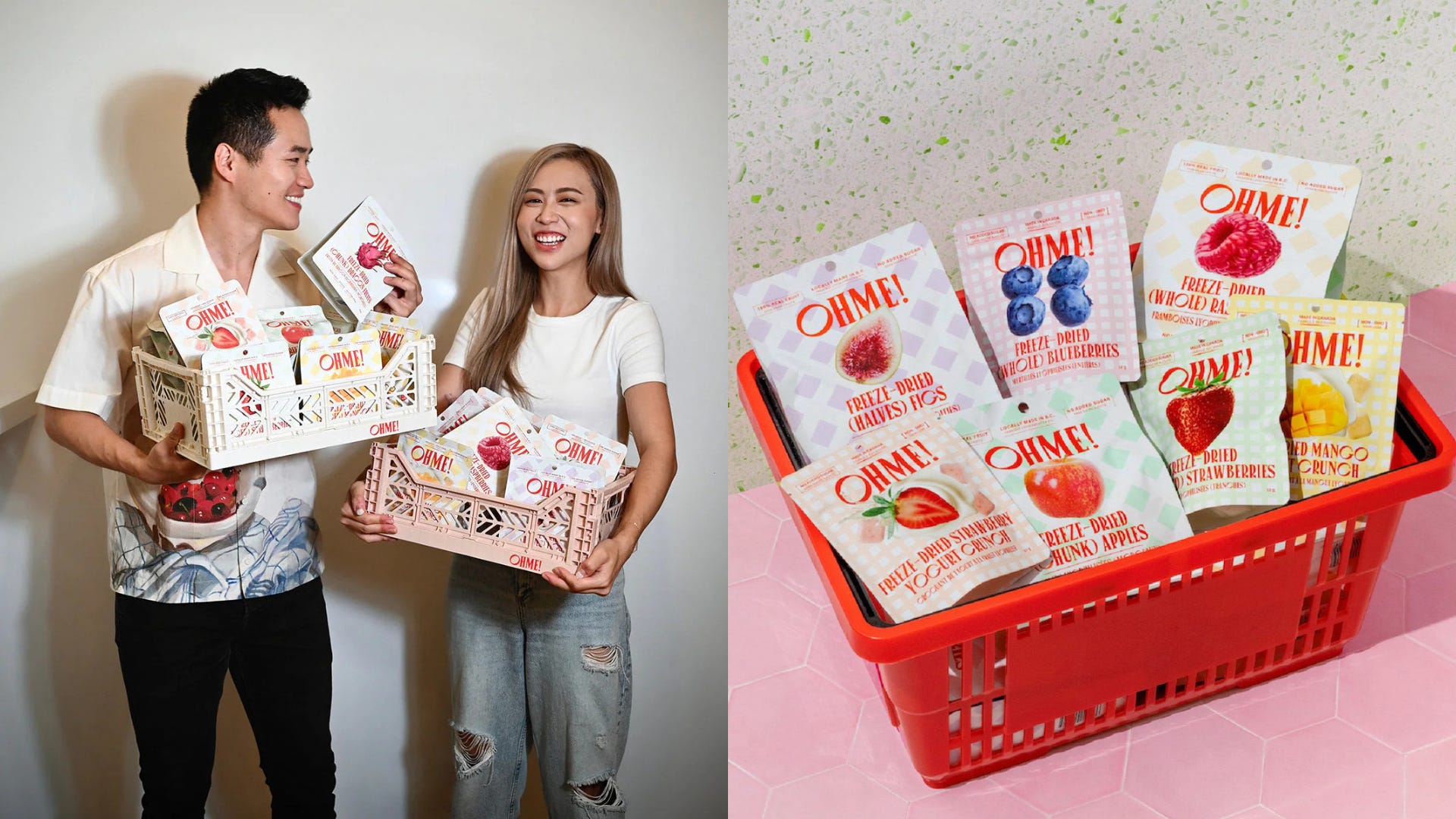
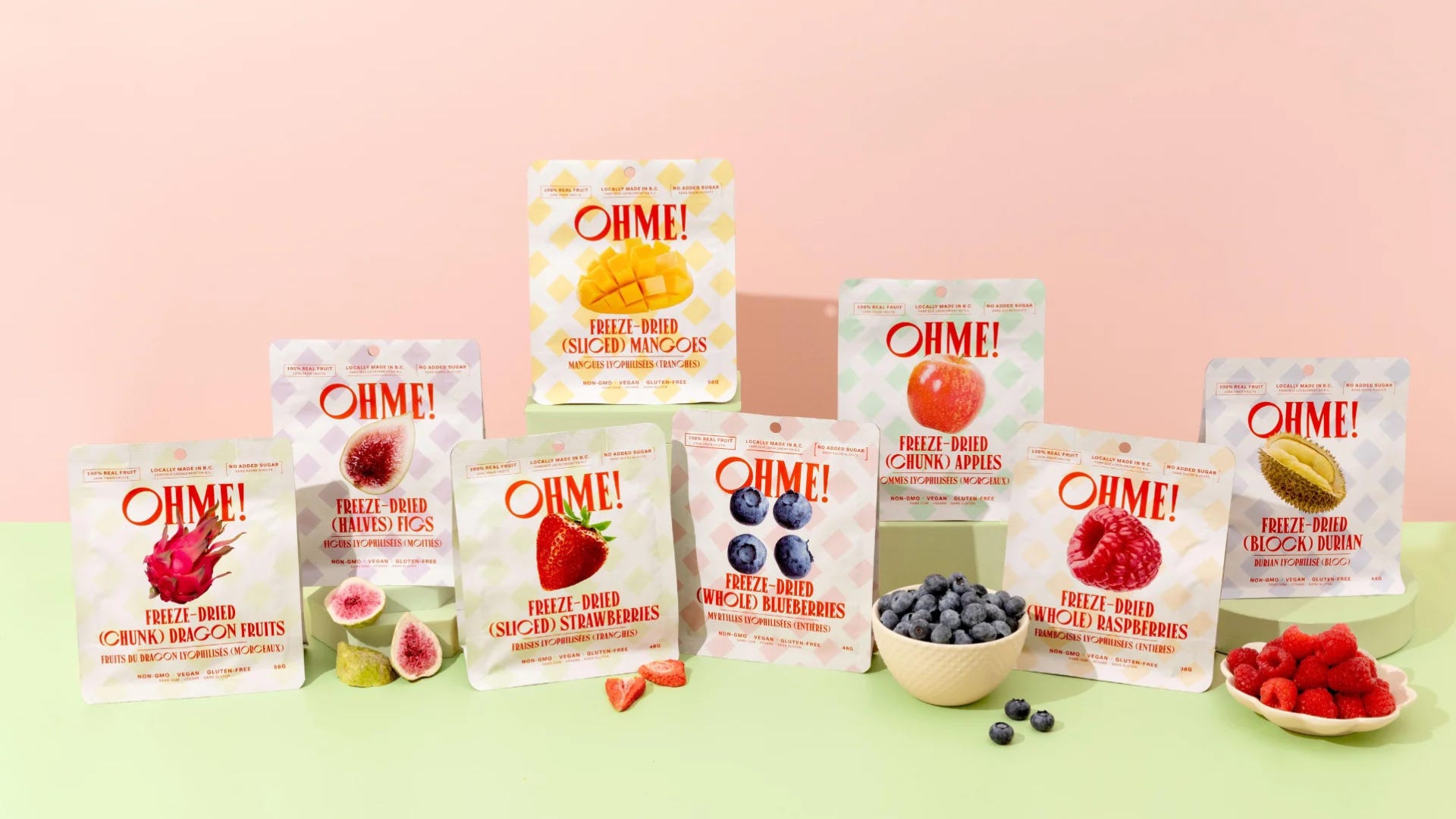
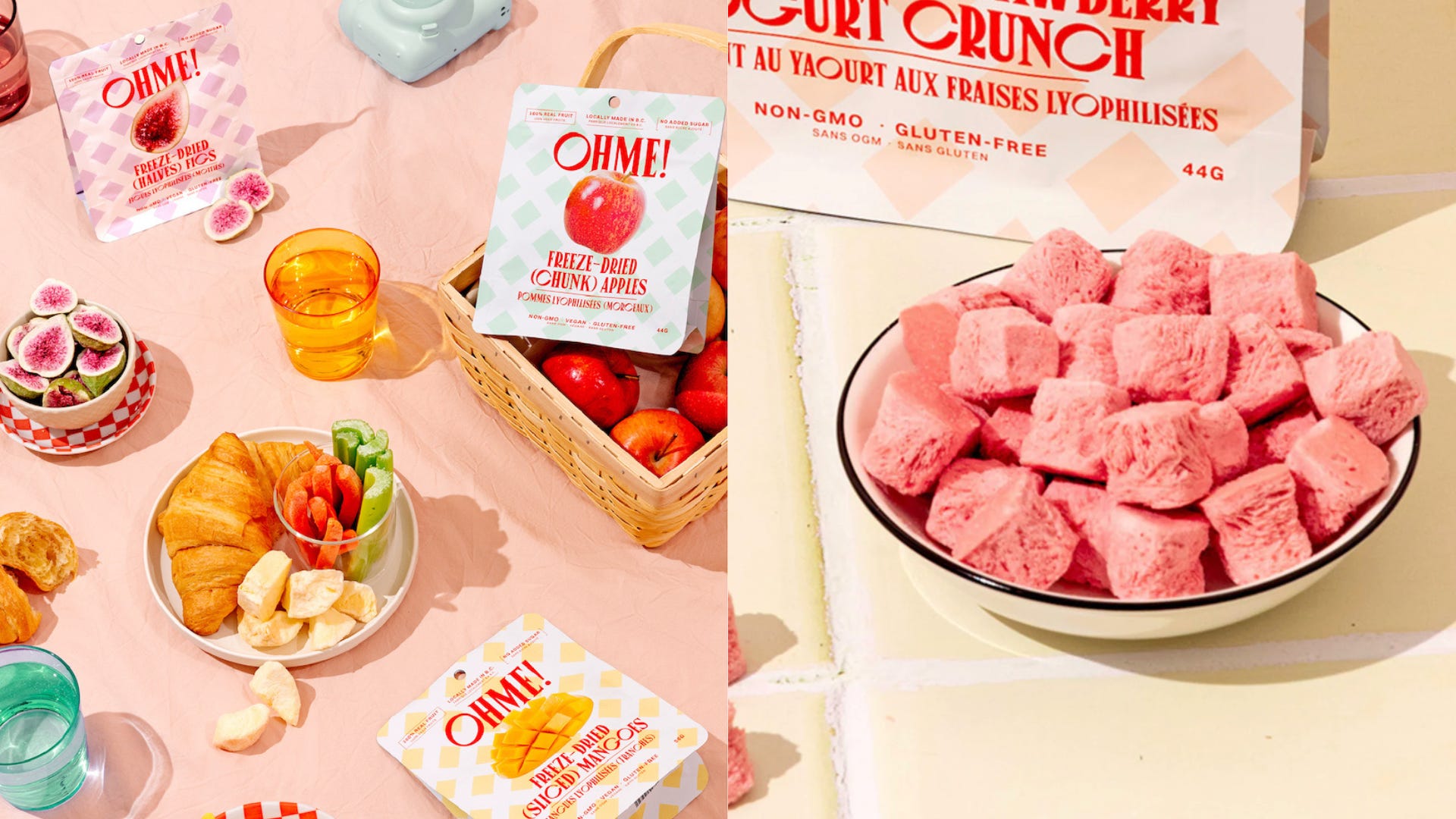
Meet Jenny Yue, founder of OHME! a Vancouver-based brand making freeze-dried fruit snacks.
She wanted a better breakfast. Not in a wellness-influencer way. In a this-oatmeal-is-boring way. Everything was soft. She wanted crunch.
So she and her husband Han started making freeze-dried fruit. That led to farmers markets. Then wholesale. Then Whole Foods in Canada. Then Urban Outfitters in the U.S.
Jenny came from a seven-year career in healthcare, knew nothing about CPG, and followed the signal instead of a plan. We sat down to hear how she did it.
00:24 - The minds behind OHME!
03:22 - From side hustle to signal
06:29 - Lost in translation
10:01 - The margin reality
14:01 - Retail rewrites the rules
17:52 - The business and the brand
500+: Retail stores across Canada and the U.S.
133K+ units: Sold through retail and DTC last year
$50–100K: Their own money invested
Follow pull, not just plan. OHME! didn’t start with a grand retail strategy. It started at farmer’s markets. When cafés reached out, they tried wholesale. When retailers called, they bootstrapped and got in the door. The business grew because they kept moving. More “walk until the path appears” than “execute the 5-year plan.”
What works in one channel may break in the next. OHME! started as “Oatme,” a name that made sense when Jenny could explain its oatmeal topping origins face-to-face. Less so on a shelf, where it has to sell itself. They rebranded and within weeks, an Urban Outfitters buyer DM’d them on Instagram.
If you plan to go retail, your numbers need to show it. Low margins will work for farmers markets. But for retail, with broker fees, distributor cuts, promos, and chargebacks, the same bag doesn’t make sense. Start with the projected shelf price and work backwards.
Your distributor is your biggest customer. Once you’re in retail, everything revolves around them. When a PO comes in, it gets priority over DTC, over everything. Miss it and you don’t just lose a sale. You risk losing the shelf.
Every stage has a different constraint. It’s easy to get stuck on the last one. OHME! spent its first year getting people to buy. Then the orders came and they couldn’t keep up. With naturally growing consumer demand, Jenny and Han are more focused on recalibrating sales projections and production. The thing that got you here stops being the thing.
Market signal → No one is lacking healthy options. They’re lacking ones they actually want to eat. The gap isn’t ingredients, it’s experience.
Can your product survive retail?
Most founders price from cost. Retail prices from margin. Start with your shelf price and subtract every layer. Here's what that looks like for a $9.99 product:
Shelf price: $9.99
Retailer (~50%): → $5.00
Distributor (~15%): → $4.25
Broker (~10%): → $3.82
Promos/fees (10–15%): → $3.25-$3.40
That $3.25-$3.40 is gross. After freight, spoilage, and fees, you’re closer to $2.50–$3.00. If your COGS don’t work there, you don’t have a retail-ready product.

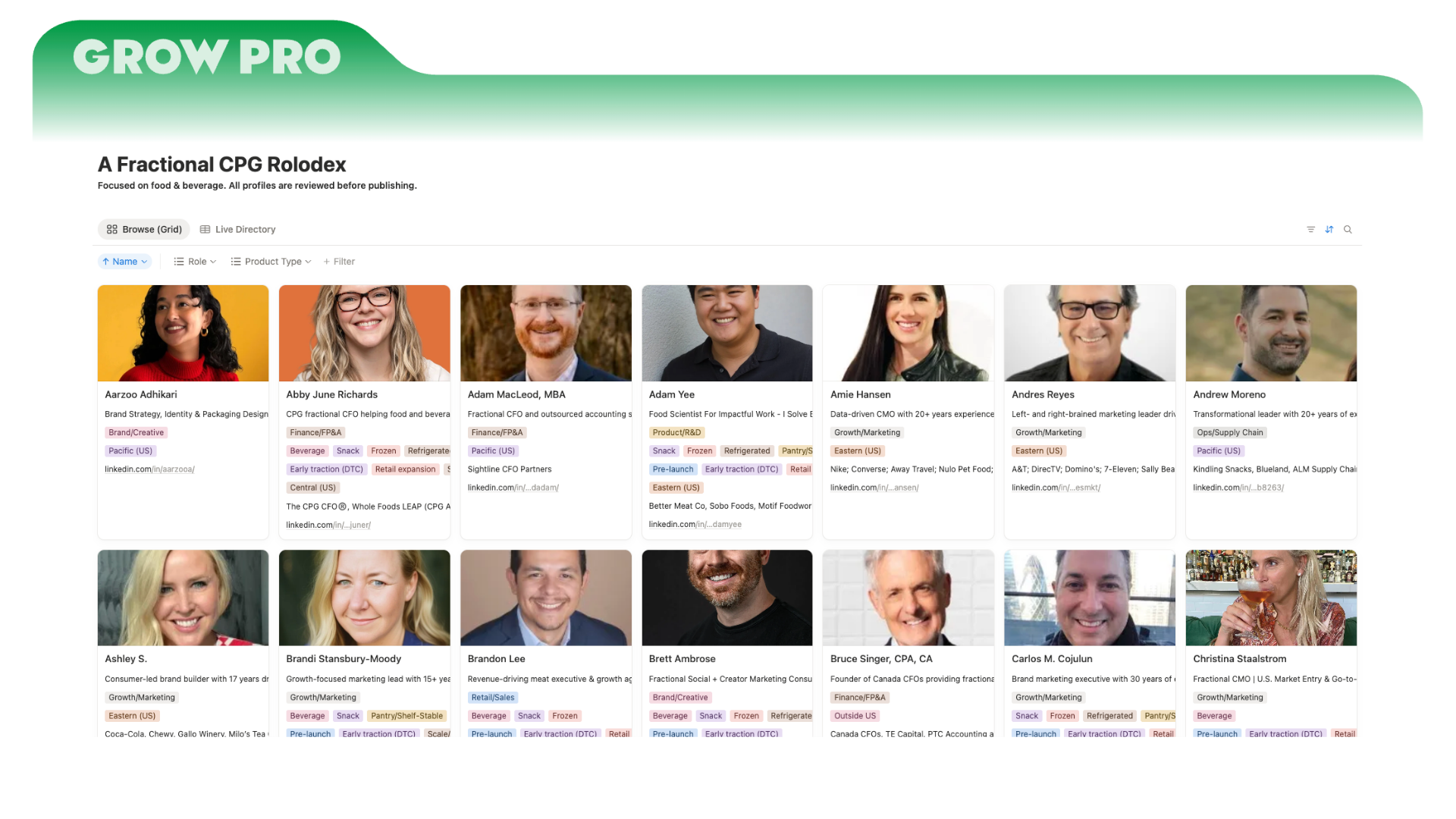
Grow Pro: A Fractional CPG Rolodex
Your first hires, before you hire.
Most CPG founders don’t hire full-time first. They hire fractional.
A head of marketing for a few hours a week. An ops lead to fix what’s breaking. A finance person who actually understands retail.
The hard part isn’t knowing you need help. It’s finding the right person fast. Warm intros run dry. LinkedIn’s messy. Guesswork is expensive.
Grow Pro is a rolodex of CPG operators across growth, marketing, finance, and operations. People who’ve done the job and can step in before you’re ready to hire full-time.

Reese’s rolls back: After customer backlash (and a very public callout from grandson of Reese himself), The Hershey Company is putting “real chocolate” back into the mix.
These brand names shouldn’t work. But do. Nobody says: “I bought a refreshing ethically sourced beverage.”
Aldi goes digital with Instacart: Private label meets platform.
Americans hit the grocery wall: Nearly 60% of Americans are already spending $150+/week, with price tolerances between 5–10% for snacks and drinks.
Whole Foods All-Star Suppliers: 16 brands chosen by the chain’s merchandising teams. Consider this your buyer cheat sheet.
Big food gets bigger: McCormick x Unilever: When growth slows, incumbents don’t innovate, they consolidate.
FedEx speeds up: The new standard for delivery isn’t fast. It’s impulsive. Add to cart and at your door before the sun goes down.

April 7-9 (Chicago): Rethinking Data Strategy for the Age of Intelligent Integration
April 21 (NY): Good Food Spotlight: Serving Up Insights on Food Service
April 23 (NY): Naturally New York Spring Fling
June 3 (NY and Virtual): Clicks, Bricks & Everything In-Between
June 28-30 (NYC): Summer Fancy Food Show
* Got an event we should know about? Send it our way.


