


Happy Tuesday. This week, we’re sharing:
How a founder turned a family peanut brand into a Kung Fu cinematic universe
Running an influencer marketing campaign without the influencer price tag
(Super)market moves, TIME 10 Most Influential Food & Drink Companies in 2026, when Gen Alpha is the consumer… and parents are the buyers

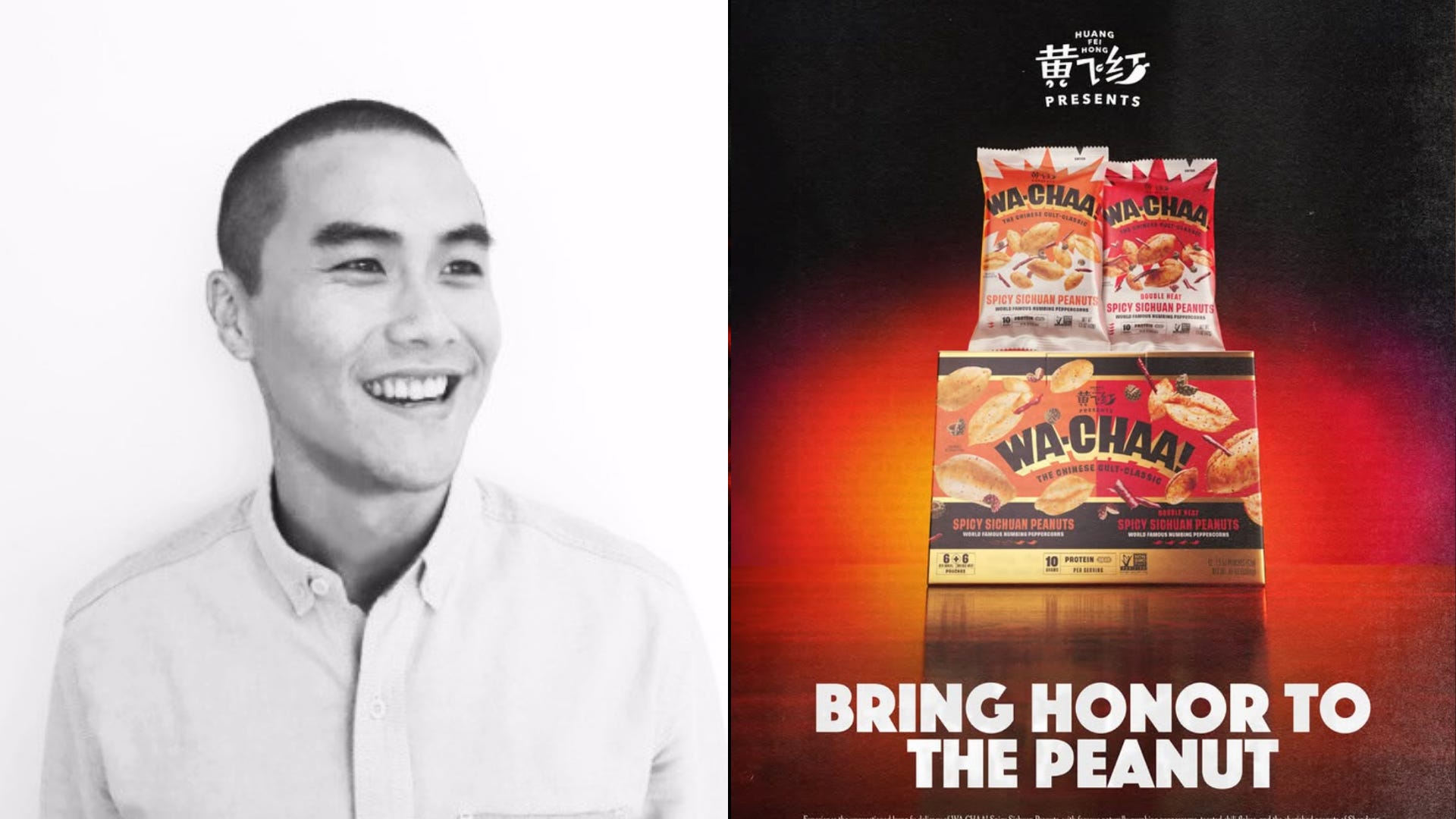
Meet Anmao Sun, co-founder of WA-CHAA!, a Kung Fu-themed snack brand and the best spicy peanut you’ve never heard of. Yet.
He didn’t start with an idea. He started with a product that already worked. Huang Fei Hong is a cult peanut brand his father built in China. Two decades old, legendary history, strong demand.
But to the American market, the brand didn’t translate. It had a name no one could pronounce and ingredients Whole Foods wouldn’t carry.
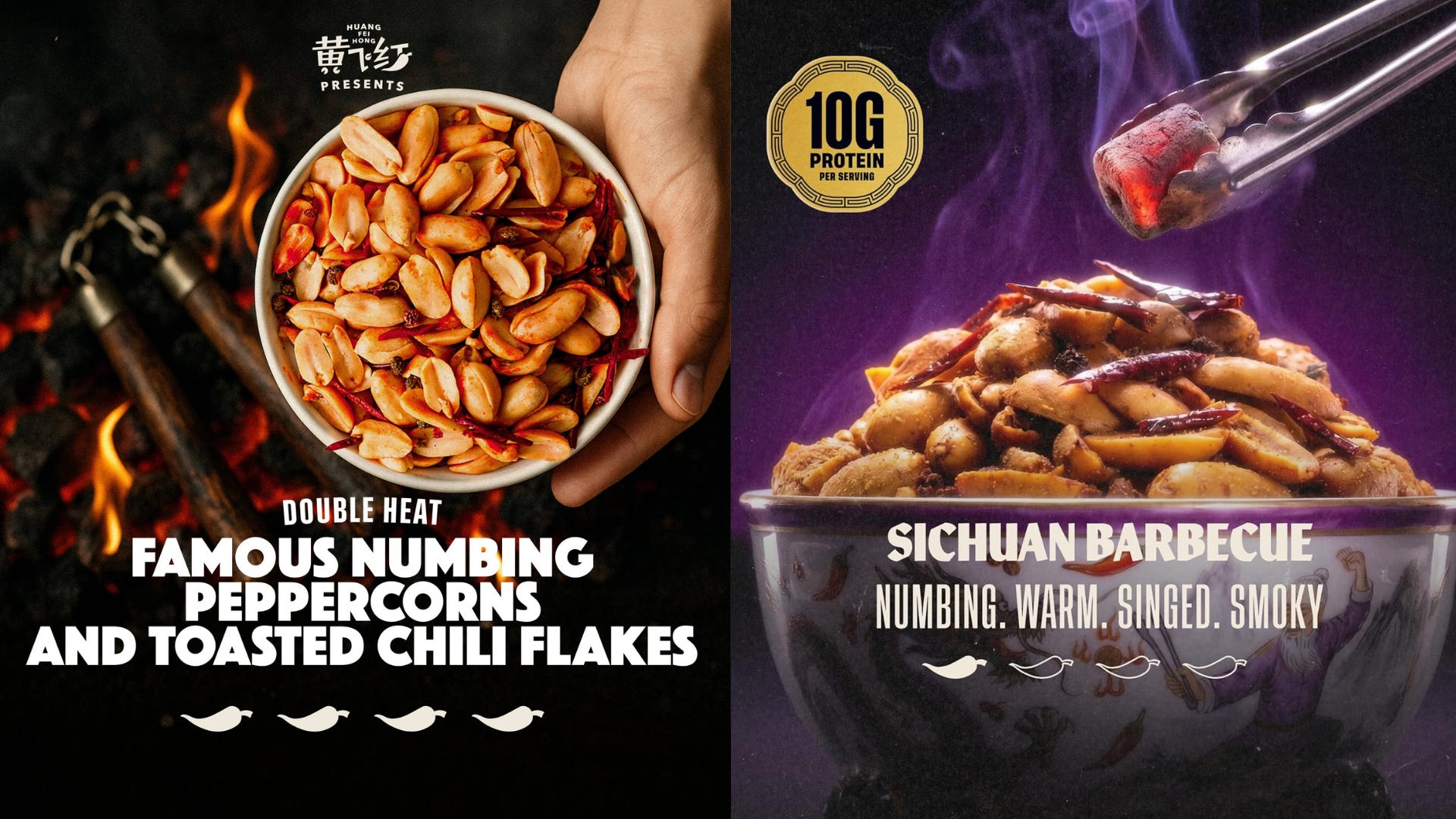
So Anmao remastered it. Same bold spice, same Shandong production, but no MSG or GMOs. “We don’t think about ourselves as a peanut company. We think about ourselves as a Kung Fu brand that makes snacks.” Less than a year in, WA-CHAA! is hitting 600+ Sprouts doors. The peanut is back.
00:11 - The mind behind WA-CHAA!
02:32 - MSG is MSG
05:24 - Snacks are the vehicle
07:40 - The safer you play, the more forgettable it is
11:38 - We built in the margin from the beginning
14:35 - The real ramp up is when we start hitting retail
~1.5 years: Spent on positioning and product development
$50K: First inventory run, packed into one container
600+: Sprouts doors, less than a year after DTC launch
The product is what you sell. The brand is why anyone cares. “We don’t think about ourselves as a peanut company. We think about ourselves as a Kung Fu brand that makes snacks,” says Anmao. Peanuts are the delivery mechanism. That distinction shapes every downstream decision: who you hire, what you make, how you measure a good week.
Your ingredients determine your distribution. The original Huang Fei Hong had MSG… and Whole Foods won’t carry MSG. Anmao spent months trying to match the original flavor and went through two R&D firms. Finally, his restaurant partner Brandon Jew (James Beard winner, chef behind the Michelin-starred Mister Jiu’s) cracked a recipe that was better than the original. Know where you want to be sold, and build toward that.
Margin isn’t a result. It’s an input. Most founders calculate margin after the product is built, then spend years trying to fix it. WA-CHAA! started from the other end: what would someone actually pay, and what does the cost structure need to look like to make that work? They built to hit a 45–55% retail margin target from day one.
DTC is more than a sales channel. It’s a feedback loop. It took WA-CHAA! six months to understand their DTC channel. And it wasn’t about velocity. “It’s kind of been like an ad delivery tester,” says Anmao. Meta campaigns revealed what messaging landed, what visuals converted, when a customer actually became profitable.
The audience you build is worth more than the audience you borrow. WA-CHAA! tried owned social, creator placements, and whitelisted ad content. “We found it’s better where we control the engagement and the conversation.” If your goal is a real community, you can’t build it on someone else’s platform. Test with borrowed audiences. Build on your own.
Market signal → The next breakout category probably isn’t the new. It’s the neglected. Familiar, accessible, and wide open for a refresh.
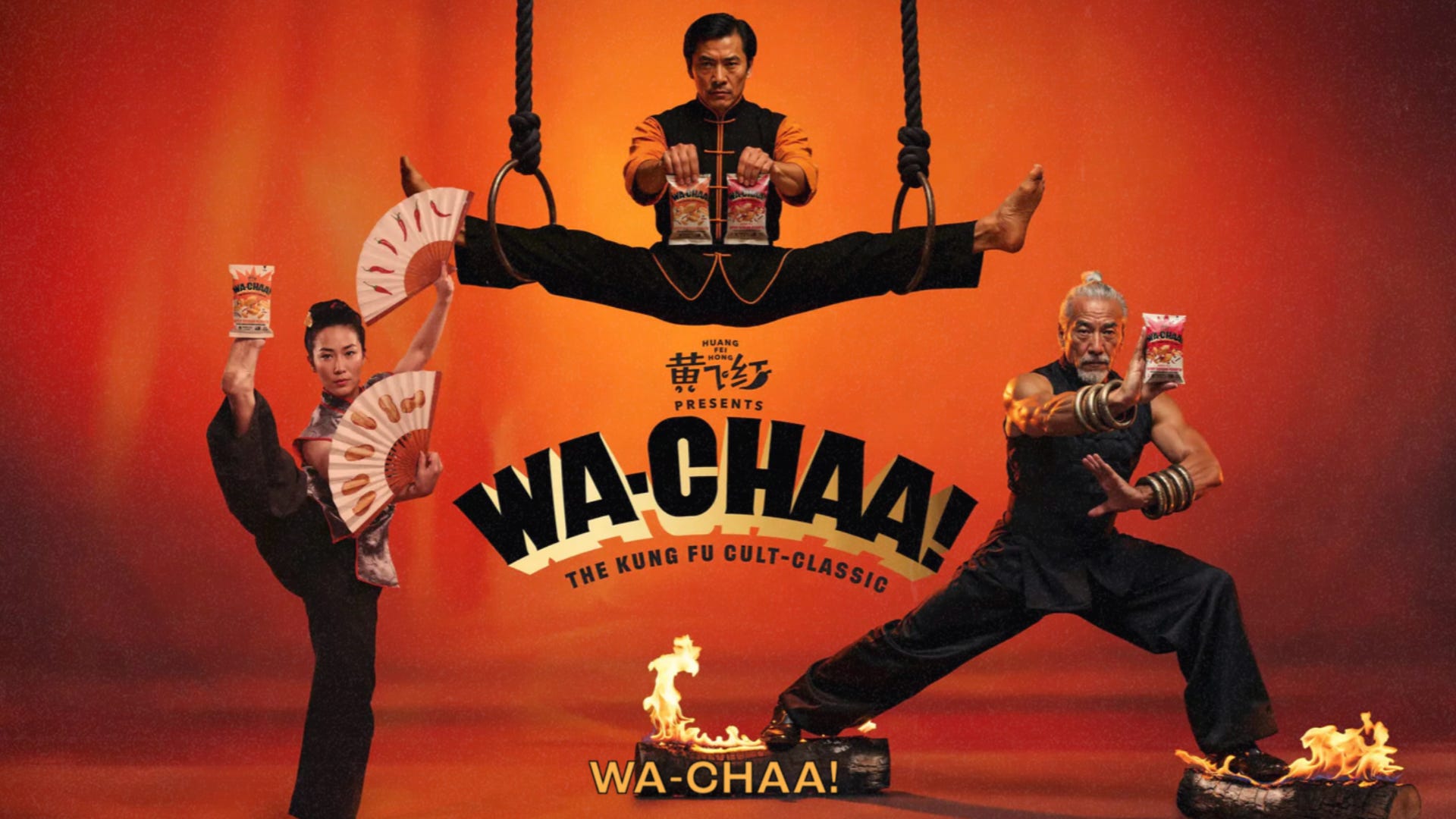
What are you really selling?
Most brands describe the product. The best ones define what people are really buying. Those are rarely the same thing.
Fill in the blanks:
We make: ______.
People buy us because: ______.
So we’re actually a ______ brand.
Then reassess:
Does this change who you compete with?
Does it change what product you’d make next?
Could someone be a fan without ever buying?
Would your best customer say it this way?

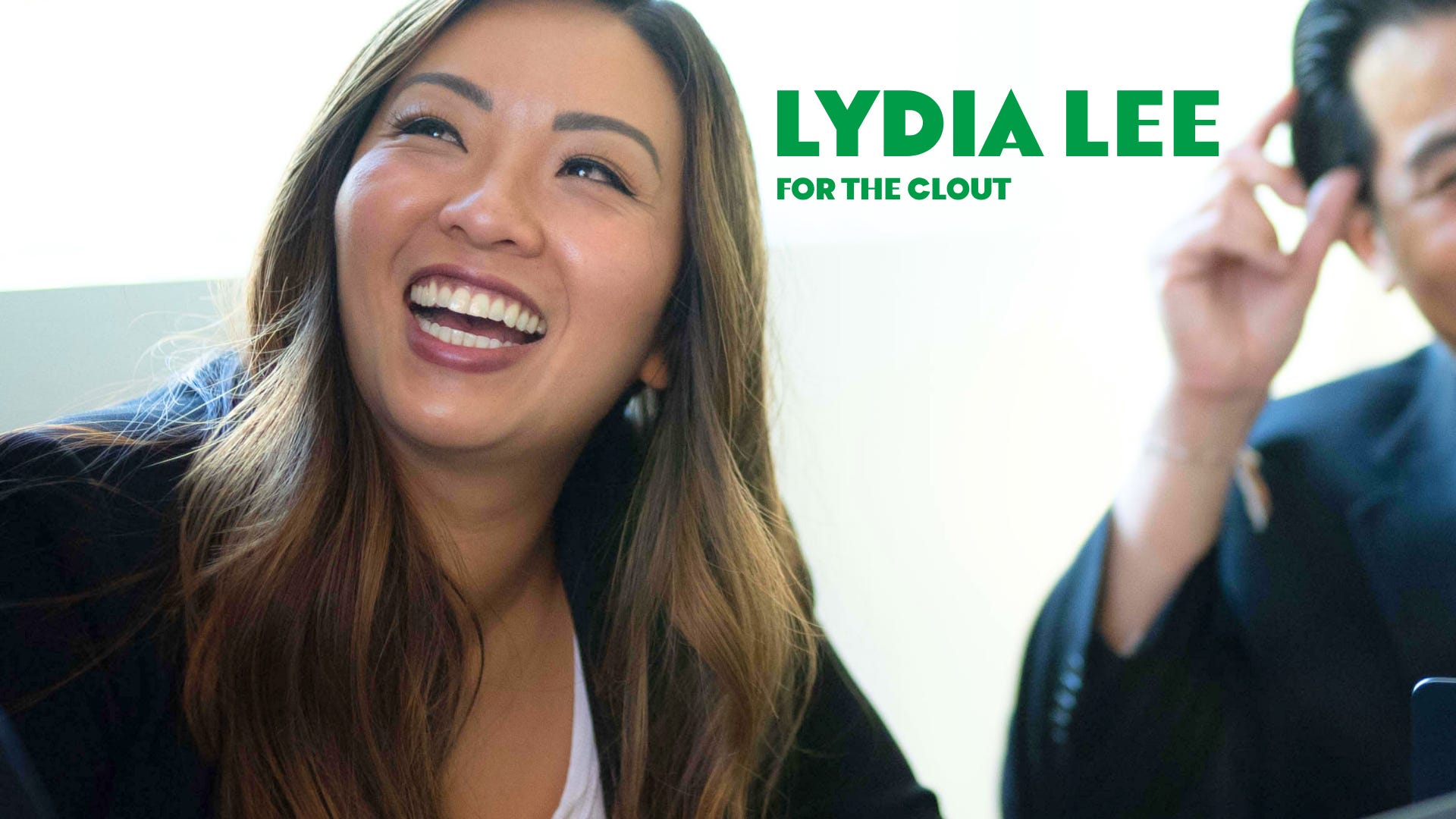
Lydia Lee has been in influencer marketing long enough to remember when it was just called “talking to your customers.”
Her claim to fame was helping grow Nutpods, a dairy-free coffee creamer, from a Kickstarter campaign to acquisition. When they sold, she cashed out and started her own influencer marketing agency For the Clout.
The first thing I always say is, start with math. You can easily bankrupt yourself when it comes to influencer marketing. Build a scaling model with two tiers of packages: your seeding product and your welcome package. Your seeding product is something you can bleed through with samples. It’s a low-tier offer to try your product. If you like it, then move them up to your welcome package, the higher-tier offer.
For every 1,000 creators you cold DM, about 20% of people actually respond. That’s 200 people. Multiply 200 times the cost of your seeding product. Can you afford to do that monthly, quarterly, or annually? Of those 200, about 40% will want to join your program. Multiply that by the cost of your welcome package. That’s the cost to acquire an influencer.
I really like to invest in nano and micro creators. If we’re paying a flat fee for content, I spend $200-$1,000, depending on the creator and the quality. Then you buy the ad rights and run it as an ad. It’s the best bang for your buck. My philosophy is to bleed through samples, create UGC, buy it for cheap, and run it as an ad because you can control who sees it. You can target your target demographic, your target location, within five to ten miles of stores you’re stocked in.
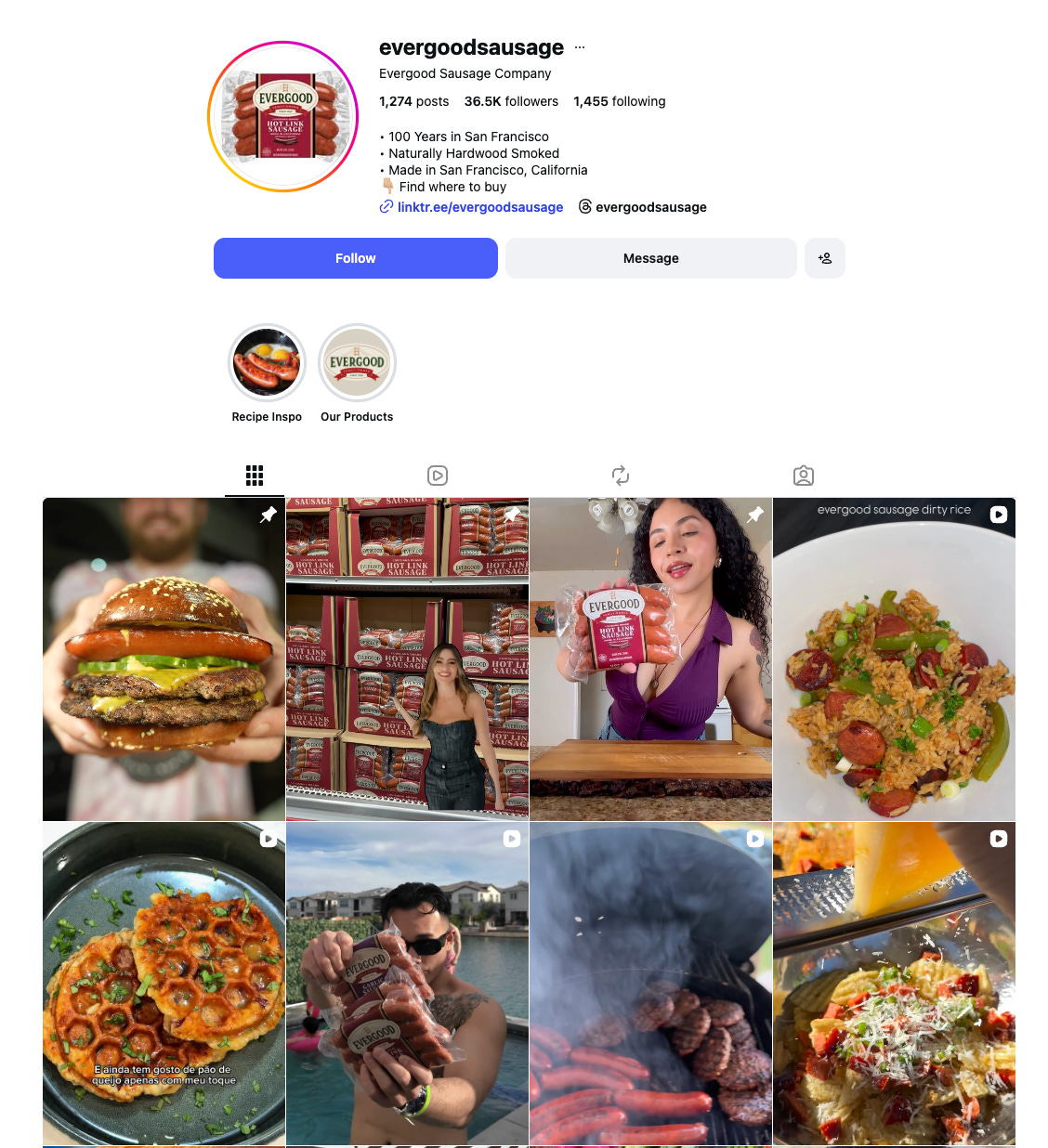
Here’s what a 41% engagement rate actually looks like. Evergood Sausage is a retail-first brand doing really well with our program. They were at 19,000 followers when we started. Now they’re at 36,000. We’re at a 41% engagement rate. (Industry average is 2-3%.) We don’t create any of our own content. It’s all done through creators, real people consuming products. The brand pays about $5,000 a month for paid collabs, but we get tagged in like 20 pieces of content a week. It’s crazy.

(Super)market moves: ↑ Costco and Amazon/Whole Foods and ↓ for Walmart, Kroger, and Albertsons.
When Gen Alpha is the consumer… and the parents are the buyers.
Not in it to win it: ALDI removes another 44 ingredients from its private label products.
Raw milk is going mainstream: More than three dozen bills supporting raw milk have been introduced in 18 states across the U.S.
TIME 10 Most Influential Food and Drink Companies in 2026: From Ferrero and Fishwife to Jollibee and David Protein.
Alcohol brands have now entered your TikTok feed: While sales and under-25 targeting are still off-limits, age-gated ads and content are in.
Maryland says no to “personalized” pricing: Your groceries shouldn’t know who you are.
Tech meets taste: YC just released their Request for Startups, including one for AI for low-pesticide agriculture.

May 9 (Austin): SKU Spring ‘26 Showcase in Austin
May 20-21 (NY): The Lead Summit
May 31 (Virtual): Bon Appetit Pantry Awards Submission Deadline
June 3 (NY and Virtual): Clicks, Bricks & Everything In-Between
June 7-9 (Orlando): IDDBA 2026
June 10-11 (Chicago): 2026 KeHE Holiday Show
June 28-30 (NYC): Summer Fancy Food Show


