


Happy Tuesday. This week, we’re sharing:
How an ice cream founder went from pushing every pint to seeing massive pull
GROW PRO again :) After last week’s wild response, the list has grown with even more people worth knowing.
How Asia will eat, drink, snack in 2026, $10M is the average cost of a food recall, are breakfast goods just smaller meals with an egg?

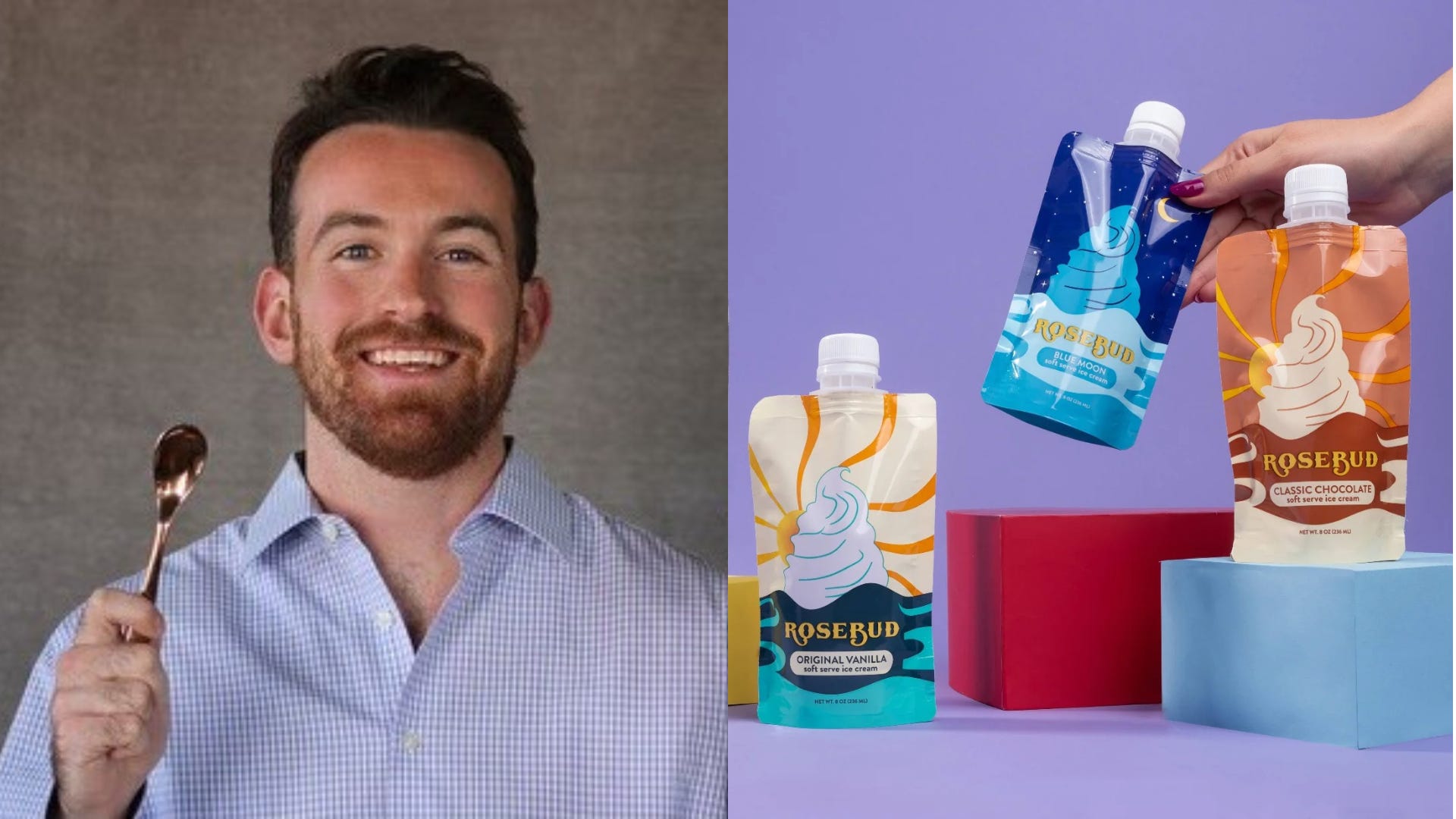
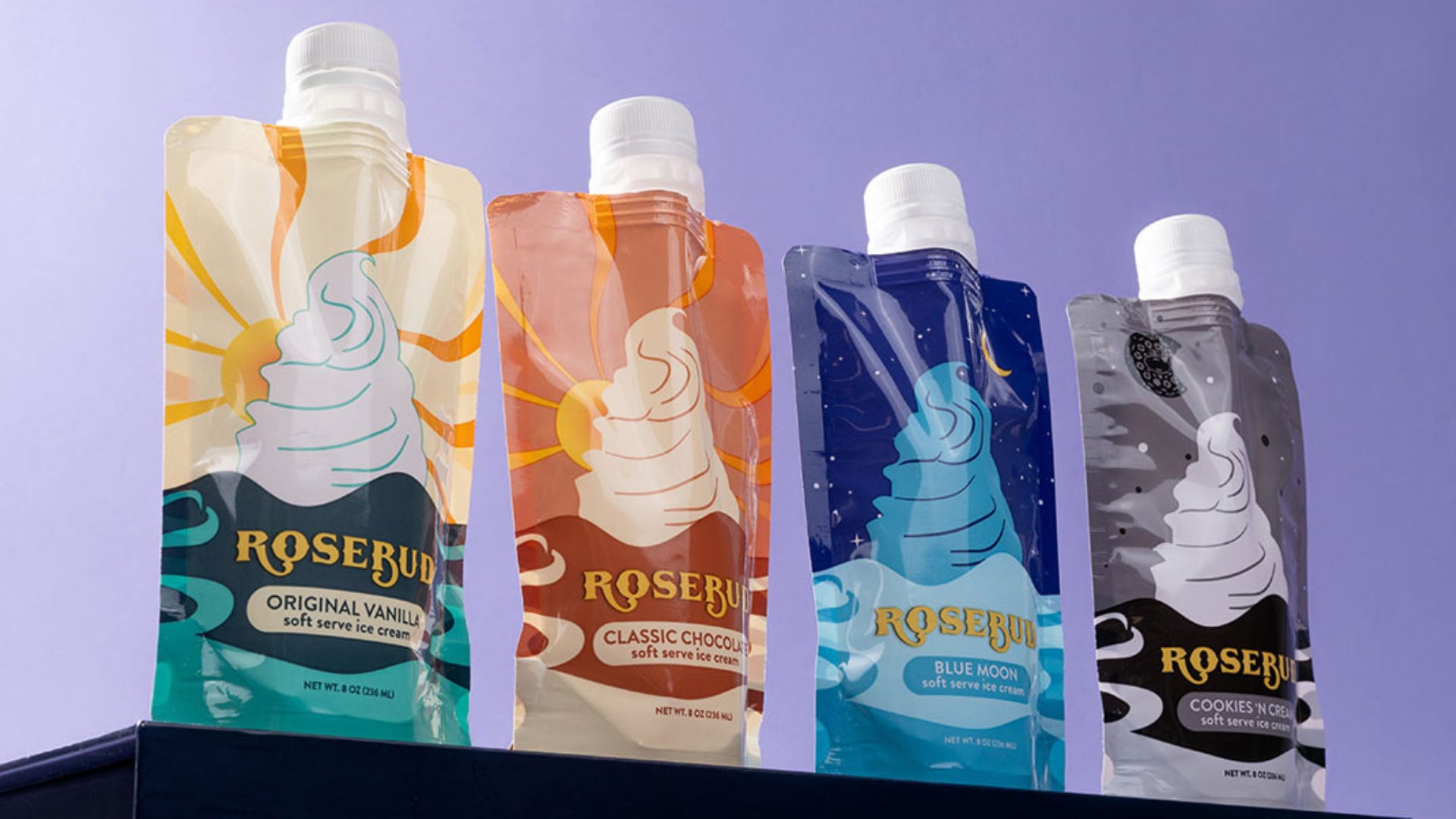
Meet Sam Rose, founder of RoseBud Ice Cream, a brand selling soft serve in mess-free pouches.
In 2019, he was selling pints. Like every other ice cream brand. Sam had a genuinely great product. He had Whole Foods. He had everything you’re supposed to have. And things were fine.
“Bringing ice cream pints to a category review is like showing up to the beach with sand,” he says. No one is desperate for it. The space is crowded. Sometimes, the freezer door fogs up and you don’t get seen at all.
Then his sister, half-joking, suggested he put ice cream in a baby food pouch for her son’s birthday. He laughed it off, went to bed, got back up, and wrote a business plan.
Now orders are coming in without much promotion. New channels are opening up beyond grocery. Same premium ice cream, different game.
00:11 - The mind behind Rosebud
02:52 - Last one at the office
05:44 - Cream executive officer
08:23 - From 2pm to 2am
11:48 - Showing up to the beach with sand
15:00 - Where pints can’t go
17:38 - Getting punched in the face
$120k → $2,000: Chargebacks avoided through 8 months of daily sampling
5 years: To perfect his vanilla flavor (6 years for chocolate)
1 year: From launch to Whole Foods, while working other jobs
When quality is table stakes, format is the differentiator. There wasn’t anything wrong with the ice cream. But on a shelf full of good options, “better” doesn’t stand out enough. The move wasn’t to make a better pint. It was to ask where ice cream didn’t already exist, and go there instead. RoseBud pouches weren’t just a new container. They were a new category.
“Working” and “worth scaling” are not the same. The pints were working. Decent margins, real distribution, shelf space at Whole Foods. Most brands would’ve kept them while trying to build the next thing. But once the pouches started moving, Sam discontinued the pints entirely. Splitting between something okay and something noticeably better is just a delayed decline.
Your real competition is habit, not the brand next to you. The instinct is to look at the product two slots over and treat it like the enemy. But the real competition is the category inertia that keeps people reaching for the same thing they’ve bought for twenty years. “Some of my best insights came from people who were technically competitors. Once I started working with them instead of against them, things got a lot easier,” says Sam.
When the rollout goes wrong, showing up is the only play. Sam had just landed the biggest PO of his life. Then everything went sideways: distributor miscommunications, wrong inventory, 100 doors dropped to 20. He was staring down $120,000 in chargebacks. So he showed up. He sampled 3x a day, 7 days a week, for 8 months, and got it down to $2,000. Sometimes the only move is to be the last person still standing in the aisle.
If the core of what you’re building changes with trends, it’s not a core. In 2016 it was low-cal. In 2020, dairy-free. In 2022, keto. Now it’s protein. Each wave looked like the future, and each one receded. The brands that survive aren’t the ones who chase fastest. They’re the ones that build something strong enough to outlast the cycle. The trend gets you attention. The product is what keeps you on shelf when the attention moves on.
Market signal → The most interesting stories aren’t happening in grocery. They’re in concessions, convenience, community. When the product can travel, the distribution follows.


The format test
Run this when growth stalls or before you finalize the product:
Where does it actually get used? On-the-go, at home, at an event
What does someone need to use it? a spoon, a fridge, two hands, a table
What gets in the way? Mess, prep, portability, storage (This is usually where you’ll find the most opportunity!)
What would be different if the format changed? New uses, less friction, more channels
If yes, you don’t have a packaging problem. You have a product opportunity.

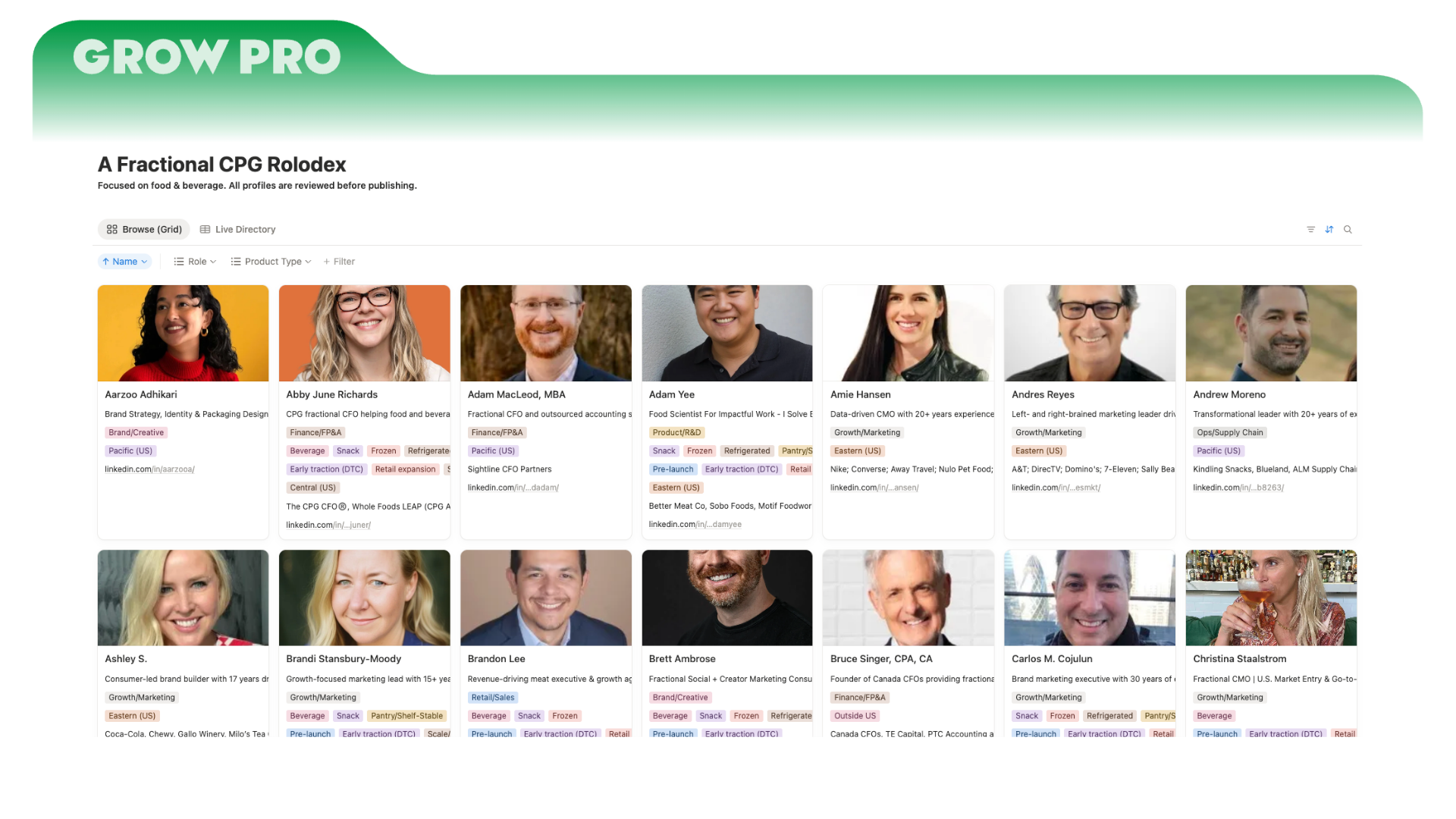
Grow Pro: A Fractional CPG Rolodex
Your first hires, before you hire.
Most CPG founders don’t hire full-time first. They hire fractional.
A head of marketing for a few hours a week. An ops lead to fix what’s breaking. A finance person who actually understands retail.
The hard part isn’t knowing you need help. It’s finding the right person fast. Warm intros run dry. LinkedIn’s messy. Guesswork is expensive.
Grow Pro is a rolodex of CPG operators across growth, marketing, finance, and operations. People who’ve done the job and can step in before you’re ready to hire full-time.

Put an egg on it: Are the new breakfast foods just smaller meals, with an egg?
California certified: The most populated state takes a page out of the old organic playbook and proposes its own non-UPF label
How Asia will eat, drink, snack in 2026: Where formats, flavors, and speed are set.
Yes, there’s an association for table settings: 30 tables. 3 categories. 1 time-honored tradition.
Food safety net: $10M is the average direct cost of a food recall among corporations
Small brands taking big shares: The Red Bulls and Chobanis are still topping charts, but smaller brands are gaining loyalty and cultural relevance
Demand is down but prices are up: As food gets more expensive, do consumers slow down, swap, or stop altogether?
🥚🥚
Hey founders! Does your product have eggs? There’s a cohort for that.
Hosted by the American Egg Board and JPG Resources, it’s the first-ever egg-centric founder cohort.
The sessions start this June and run for 6 months as a virtual, business-school-style program, covering everything from manufacturing and distribution to margins and legal. Small group sessions. Peer networking. Personalized 1:1 advising. AND it’s free.

April 16 (Virtual): Good Food Institute: Business of Alt Protein
April 21 (NY): Good Food Spotlight: Serving Up Insights on Food Service
April 23 (NY): Naturally New York Spring Fling
April 29 (Virtual): From Trade Spend to True Growth
May 20-21 (NY): The Lead Summit
June 3 (NY and Virtual): Clicks, Bricks & Everything In-Between
June 28-30 (NYC): Summer Fancy Food Show


